

Virtual & In-Person | Fort Collins, Colorado — Therapy specializing in ADHD and Brain Fog
You've been managing for a long time.
It’s ok if that isn’t enough.
Mental Health Therapy & Cognitive Training for brains that work differently: Brain fog, ADHD, perimenopause, and symptoms that are rarely taken seriously.
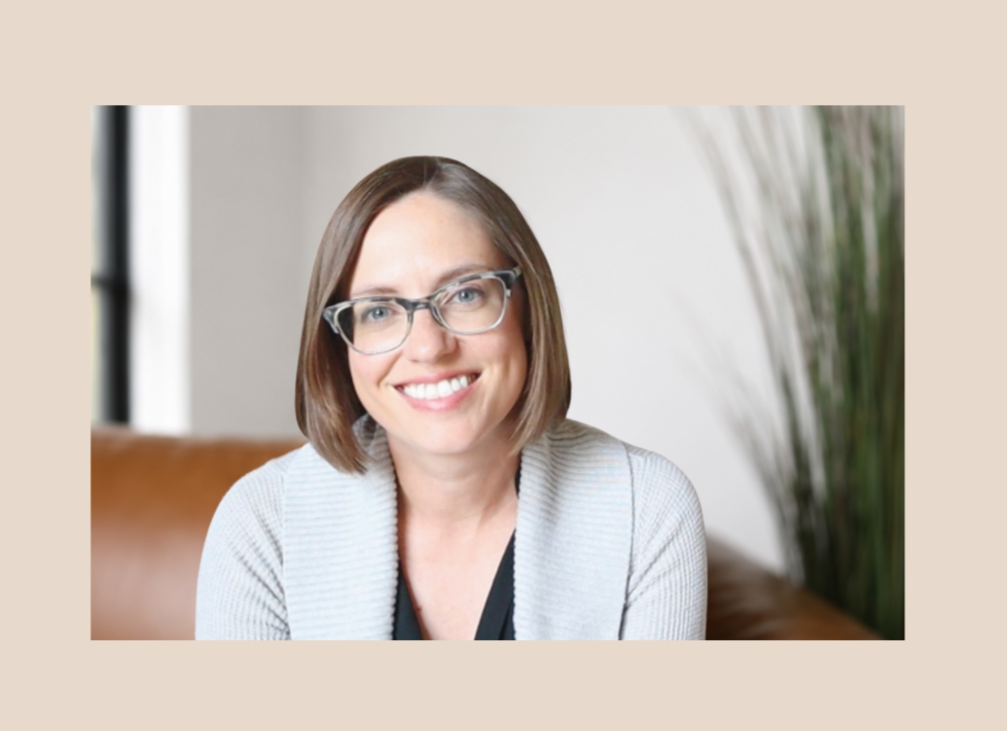
Natalie Bradshaw, MS, CCC-CLP, MSW SWC
Trauma Recovery and Mental Health
ADHD & Executive Functioning Support
Peri/Menopause & Brain Fog Support
Chemo-brain, long-COVID, mTBI
About this practice
Focused on what is often overlooked.
Open to anyone who needs it
There are experiences that don't fit neatly into a standard intake form. ADHD and neurodivergence that went unrecognized for decades. The cognitive and emotional shifts of perimenopause and women’s health, as well as other hormonal conditions, which are real and neurological and still routinely dismissed as anxiety or stress. The particular exhaustion of managing a complex illness while also being expected to show up fully everywhere else.
This practice was built around those experiences. Not as specialties added to a general list but as the actual center of the work.
Adults of all genders are welcome. If you are looking for a therapist who “gets it”, this practice might be what you’re looking for.
What brings people here
Most people I work with are carrying more than one thing at a time. These are the areas where this practice has the deepest insight. I see you, and want to give you the broadest welcome.
Sometimes it's the weight you can't explain. The dread before you're out of bed, the flatness that makes things you used to love feel far away, or the constant hum of worry that tells you something is always about to go wrong.
You don't need a dramatic reason to deserve support. If it's affecting your life, it matters.
Treatment draws on evidence-based approaches like CBT, ACT, and somatic therapy, and is always tailored to you — as structured or as exploratory as you need it to be.
Brain fog that makes you question your competence. Mood shifts that feel like they belong to someone else. Anxiety or depression that arrived out of nowhere. Sleep that stopped cooperating.
Perimenopause and hormonal considerations are profoundly under-addressed in mental health care, and too often dismissed as “just stress.”
This is a space where your hormonal reality is taken seriously alongside your emotional one. We look at the full picture: what's changing in your body, what it's stirring up psychologically, and what support actually looks like for the body you’re living in.
You didn't get to choose your past, but you get to choose what comes next. If hurt feels like it's still living in your body, your relationships, or your sense of self, you're not broken. You're someone who needed more support than you received.
Our healing work will always be tailored to you. For clients with additional considerations (e.g. ADHD, chronic illness), your full picture shapes our approach from the start. We won’t just talk in circles.
Evidence-based modalities may include CBT, DBT, and trauma-focused mindfulness, woven together in a way that fits how your brain and body actually work.
A diagnosis that took years to get, or one that still doesn't have a clean name. Symptoms that shift and stack. A medical system that has sometimes dismissed, minimized, or simply not known what to do with you. And the quiet grief of a life that looks different than you planned.
Living with complex or chronic illness is exhausting in ways that go far beyond the physical. It changes your relationships, your identity, your sense of what's possible.
Therapy here isn't about trying harder. Instead, it starts with actually being heard, identifying what matters, and building it into a life you love.
Late diagnosis. A lifetime of being called scattered, too blunt, or too sensitive. Emotional dysregulation that no one connected to your neurology. The disorienting work of understanding your own history through a new lens.
You're not too much. You were just never given the right map.
A decade of specialized ADHD coaching informs this work. Sessions can be strategy-focused, emotionally focused, or both. We follow your lead.
This is neuro-affirming care: your brain isn't the problem. We work with how you're wired, building on your strengths while addressing the places where support actually helps.
New chapter. New pressure. Sometimes what looks like an opportunity on the outside feels like a quiet unraveling on the inside.
Career shifts, relationship changes, identity questions, loss — transitions surface the things we've been too busy to look at. Therapy during these moments isn't about having a diagnosis. It's about having a thinking partner while the ground is moving.
Support is shaped around where you are right now — and where you want to land.
There are a lot of therapists in Fort Collins
Here is what makes our work different
I work where the gaps are.
Brain fog is a symptom that often slips through the cracks of different specialties within the healthcare system. However, it has huge impacts on our quality of life. This is why I chose this as my specialty. ADHD in women, the mental health impact of perimenopause, and the emotional weight of complex illness are all areas that are chronically underserved. The training I have sought out and the clients I work with reflect that deliberately, not incidentally.I have unique and specialized cross-training
My cognitive therapy experience focuses on the neural substrates of cognition, communication, and how this interfaces with complex and multi-system chronic disorders. Additionally, my social work training has empowered me to understand the impacts of mental health, trauma, relationships, and identity on how we experience changes in functioning. These knowledge bases inform my services.
Therapy is built around your actual capacity.
Not an idealized version of what you could manage if everything else in your life were simpler. Sessions are practical and collaborative, and paced to where you actually are.Effort was never the problem.
The people who find their way to this practice have usually already been trying harder for years. I work from an understanding of how neurology, hormones, and chronic stress shape the nervous system — not from an assumption that the right mindset would have fixed this.
Frequently Asked Questions
Still have questions? Take a look at the FAQ or reach out anytime. If you’re feeling ready, go ahead and book a consultation.
-
No. Many people I work with are in the process of being evaluated, or have been navigating these experiences for years without a formal diagnosis. If what you've read here resonates, that's enough to reach out.
-
It's a 30-minute conversation. We talk about what brought you here, what you're hoping for, and what has and hasn't worked before. You don't need to arrive with a clear goal or a tidy explanation.
-
This practice is out-of-network. Sessions are $150 for 50min cognitive-linguistic therapy sessions, or, $100 for 50min psychotherapy sessions. I provide detailed superbills you can submit to your insurance for potential reimbursement. Your HSA/FSA funds may also be used to cover services if your plan approves.
-
Yes. Sessions may be held virtually via secure video. You need a private space and a reliable connection — that's it.
-
Yes, in-person sessions are available in Fort Collins. My office space is located within the Humanly Offices at 3030 South College Ave. Suite 210.
Starting therapy does not require having everything figured out.
Most people who reach out know something needs to change. That is more than enough to start.